Sliding Doors Provide an Ideal Solution for Connecting Your Living Area with Outside
Sliding doors deliver an effective approach for boosting indoor-outdoor areas. Their design enables a smooth shift between settings, boosting natural light and views. This element not only elevates aesthetics but also supports better ventilation and flexible furniture arrangements. As homeowners strive to integrate nature into their everyday existence, the advantages of sliding doors become progressively relevant. Examining the various options and advantages demonstrates even more persuasive reasons to contemplate them for any home.

The Advantages of Sliding Doors for Indoor-Outdoor Space
Sliding doors create a seamless passage between indoor and outdoor spaces, boosting the overall flow of a home. Their expansive glass panels allow natural light to fill interiors, forming a bright and inviting atmosphere. This not only improves the visual charm but also promotes a sense of connection with nature, making indoor-outdoor living more delightful.
Additionally, sliding doors are a space-saving option because they do not require swing space as traditional doors do, making them ideal for smaller rooms. They also can be created to fit seamlessly with multiple architectural styles, improving the home’s overall design.
Additionally, patio doors can boost air circulation, permitting fresh air to move unobstructed, which is particularly useful in warmer months. They also supply effortless entry to outdoor areas, fostering activities such as dining al fresco or welcoming guests. Overall, sliding doors boost the functionality and pleasure of home spaces, establishing them as a preferred choice for modern homes.
Instructions to Choose the Perfect Sliding Door Style for Your Home
Selecting the right sliding door style necessitates several critical factors. Homeowners should initially evaluate their home's design character to guarantee a cohesive look, while also examining the existing space and planned purpose. In addition, the selection of products and their resilience can greatly affect both visual qualities and performance.
Evaluate your home's style
When choosing a sliding door design, homeowners must weigh the overall aesthetic of their residence. The selected style should harmonize with existing architectural features and interior design elements. For modern homes, stylish and minimalist designs, such as aluminum or frameless glass doors, may be optimal, promoting a seamless shift between spaces. Conversely, traditional residences might benefit from wood-framed doors, which add warmth and character. Color and finish are also essential; neutral tones often support various styles, while bold colors can serve as a statement piece. Ultimately, synchronizing the sliding door style with the home's overall design not only strengthens visual appeal but also contributes to a cohesive indoor-outdoor living experience.
Assess Layout and Functional Usability
Space and functionality are essential considerations in selecting the ideal sliding door for a home. Homeowners should first assess the available space to decide the right door size and style. For smaller areas, a single-panel sliding door may be more suitable, while larger openings can accommodate multi-panel designs that enhance the view and light. Additionally, the functionality of the space plays a vital role; for instance, a door opening to a patio may favor ease of access, while one connecting to a garden might focus on aesthetic appeal. Analyzing traffic patterns and the planned use of the area will further aid in selecting a door that matches both the architectural style and practical needs of the home.
Evaluate Material and Longevity
A variety of options are available for sliding doors, each offering distinct advantages regarding durability and aesthetics. Common options include wood, aluminum, vinyl, and fiberglass. Wood delivers a traditional look but requires consistent maintenance to avoid warping. Aluminum, recognized for its strength and protection to weathering, presents a sleek, modern appearance. Vinyl is low-maintenance and energy-efficient, making it a popular choice for homeowners. Fiberglass combines the best qualities of wood and aluminum, featuring durability while replicating wood's aesthetic appeal. When selecting a sliding door, it is essential to take into account climate conditions and the door's planned use, guaranteeing that the chosen material aligns with both performance and design preferences. In the end, the right choice improves the indoor-outdoor experience.
Building Flawless Transitions Through Sliding Doors
Sliding doors can greatly enhance the flow of natural light between indoor and outdoor spaces, establishing a more welcoming atmosphere. By adding these doors, homeowners can also maximize space efficiency, making areas appear larger and more unified. This seamless shift not only upgrades the appearance but also elevates the overall practicality of a home.
Enhance Fresh Light Transit
Embracing the beauty of natural light enhances indoor spaces, creating an inviting environment that enhances both coziness and visual appeal. Glass sliding doors serve as an effective option for maximizing this light flow. Their expansive glass panels enable natural rays to flood in, blurring the boundaries between indoor and outdoor areas. This seamless integration not only illuminates residential areas but also produces a feeling of spaciousness, leaving spaces feel larger and more connected to nature. By carefully positioning glass doors, homeowners can take advantage of views and natural light at different hours throughout the day. Whether in a compact culinary space or a large gathering area, the inclusion of sliding doors enhances the general atmosphere, encouraging a warm and welcoming environment that fosters relaxation and enjoyment.
Expand Space Efficiency
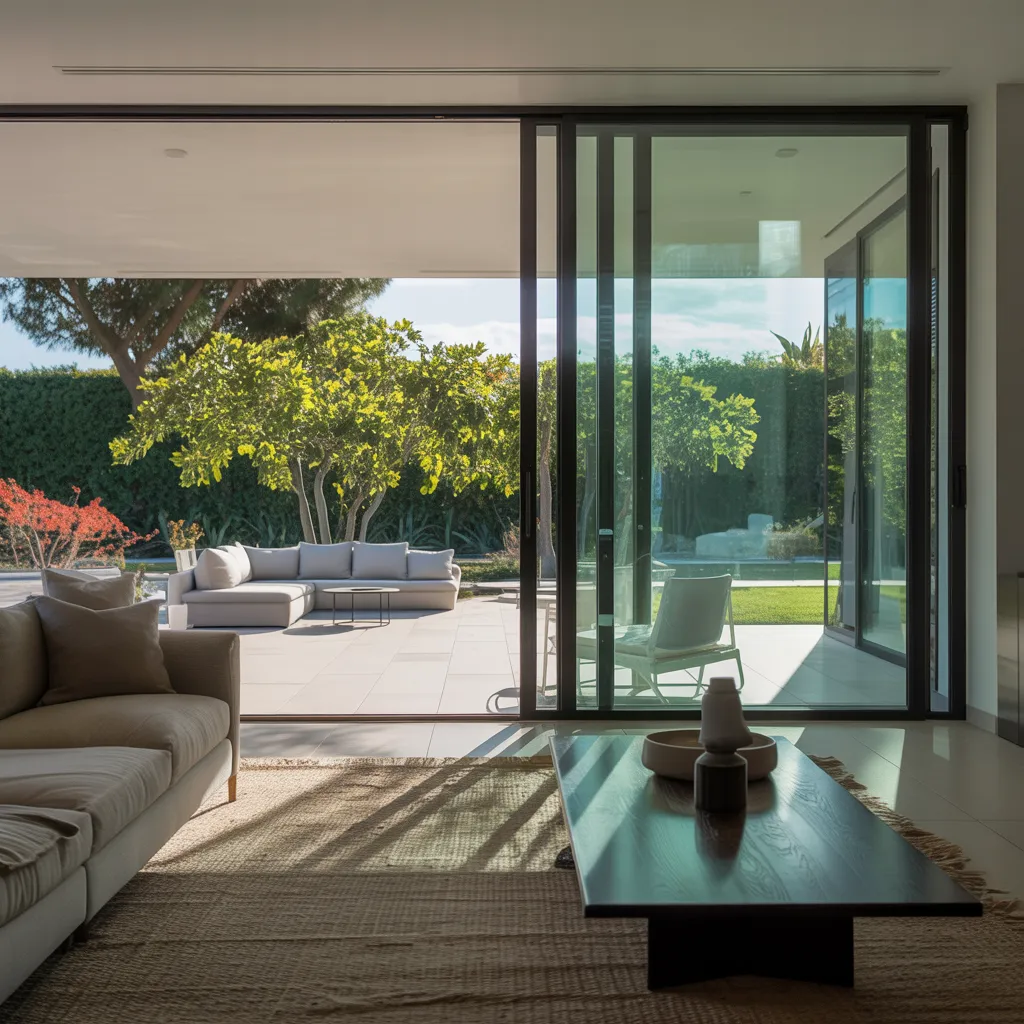
Modifying areas with sliding doors can markedly boost space efficiency in houses. These doors eliminate the need for required clearance that conventional copyrightd doors require, allowing for more flexible furniture arrangements and optimizing usable areas. By seamlessly connecting indoor and outdoor rooms, sliding doors create a feeling of enlarged living spaces, fostering a more open atmosphere. They can be mounted in varying configurations to accommodate different layouts, ensuring perfect movement and accessibility. Moreover, many modern sliding doors come with slim frames and large glass panels, which not only enhance appearance but also reduce visual clutter. This well-thought-out design nurtures a smooth transition between environments, ultimately improving both space and efficiency in contemporary living.
Sustaining Your Sliding Doors for Sustained Beauty
Maintaining sliding doors demands consistent care to confirm they stay both operational and complete guide aesthetically pleasing. Regular maintenance is essential; dirt and debris can accumulate in rails, hindering movement and causing damage over time. Property owners should use a soft cloth and light cleaning solution to clean the glass and frames, ensuring a clear view and welcoming look.
Additionally, evaluating the tracks and rollers for wear and tear is important. Oiling these elements with a silicone-based spray can prevent gripping and ensure smooth operation. Checking the rubber seals for gaps or wear helps copyright energy efficiency and prevents humidity entry.
Finally, periodic assessments of the door's alignment can detect any issues early, allowing for prompt corrections. By dedicating a minimal amount of time to these maintenance tasks, sliding doors can continue to enhance indoor-outdoor living spaces while maintaining their beauty and functionality for years to come.
Transform Your Outdoor Space With Gliding Doors
Sliding doors seamlessly erase the lines between indoor and outdoor living, establishing continuous connectivity that enhances any space. By incorporating sliding doors into outdoor areas, homeowners can transform their patios, gardens, or balconies into practical additions of their interiors. These doors draw in natural light, making outdoor spaces feel more inviting and connected to the home.
Moreover, glass sliding doors can improve the aesthetic appeal of outdoor areas, offering clear sightlines of nature while providing convenient entry. They establish a flexible setting for unwinding, eating, or hosting guests, enabling for adaptable use of space based on the season.
Additionally, the broad variety of options and textures accessible confirms that sliding doors can coordinate with any architectural design, enhancing the overall look of the property. Ultimately, the integration of sliding doors not only maximizes outdoor functionality but also elevates the living experience by cultivating a peaceful bond with nature.
Sliding Doors Allow You Make Entertaining Stress-free and Relaxing
Sliding doors integration not only enhances the aesthetic and functional aspects of outdoor spaces but also greatly simplifies hosting events. With their smooth transition between indoor and outdoor areas, sliding doors establish an welcoming environment for gatherings. Hosts can easily move between kitchens and patios, serving food and drinks without feeling confined.
In addition, the generous openings promote communication among visitors, encouraging socializing and connection. The capacity to readily expand a space supports for larger gatherings, comfortably accommodating more guests.
Additionally, the ease of sliding doors means that outdoor amenities, such as barbecues or seating areas, are just nearby, minimizing the need for excessive trips indoors. This accessibility adds to a comfortable setting where entertainers can enjoy their time just as much as their guests. Ultimately, glass doors transform entertaining into a more enjoyable and less stressful experience.
Enhancing Natural Light and Views With Sliding Doors
A profusion of daylight and striking views can dramatically reshape a home interior, and glass sliding doors are essential in creating this result. By forming spacious openings, sliding doors break down barriers between indoor and outdoor areas, letting light to pour into interiors. This not only brightens spaces but also elevates the overall mood, creating a sense of more welcoming and open.
Moreover, glass sliding doors supply unobstructed views of gardens, patios, or landscapes, introducing nature indoors. The seamless shift urges residents to interact with their surroundings, building a sense of connection to the outdoors.
Moreover, contemporary sliding doors regularly showcase large glass panels, which increase natural light intake while presenting green alternatives that copyright comfortable indoor temperatures. This combination of style and functionality makes these door options a superb choice for boosting natural light and displaying scenery in any home.
Regularly Asked Inquiries
Can Sliding Doors Support Energy Efficiency in Different Climate Conditions?
Sliding doors deliver thermal efficiency in assorted climate conditions, chiefly when provided with double or triple glazing. Effective insulation and weather sealing additionally enhance their performance, preventing heat loss and upholding comfortable indoor temperatures during every season.
What Protection Measures Can You Discover for Sliding Doors?
Sliding doors come equipped with diverse security features, including multi-point locking systems, fortified frames, safety bars, and shatter-resistant glass. These additions help discourage illegal access, equipping homeowners with improved peace of mind regarding their connections between interior and exterior.
In What Ways Do Sliding Doors Affect Your Property Resale Value?
Sliding doors can enhance home resale value considerably. Their attractiveness stems from providing smooth transitions between indoor and outdoor spaces, drawing buyers seeking contemporary design and practical features, thus potentially leading to increased bids and faster sales.
Can I install sliding doors on my own?
You can set up sliding doors on your own, as long as you have fundamental carpentry abilities and the necessary equipment. However, precise measurements, proper alignment, and adequate sealing are crucial to guarantee correct operation and optimal energy performance, making expert help advisable for those new to the task.
What Are the Optimal Choices for Sliding Doors?
The top materials for sliding doors provide vinyl for efficiency in energy use, aluminum for durability, and wood for aesthetic quality. Each choice delivers particular merits, enabling homeowners to choose based on design, upkeep, and climate factors.